The first time a homeowner in Tucson called me at 10 a.m. Frustrated, their living room was still warm despite the thermostat reading 72. With an afternoon high creeping toward 100, every minute mattered. I asked a few targeted questions, guided them through a short inspection, and narrowed the problem to a probable refrigerant leak before we even scheduled a truck roll. That early triage saved a same-day emergency dispatch and turned what could have been a costly misdiagnosis into a clear path forward.
If your https://rylanklwk204.lucialpiazzale.com/how-to-lower-cooling-bills-after-ac-installation-in-tucson air conditioner is underperforming, it pays to run a few sensible checks before you search for AC repair in Tucson. Some issues are simple homeowner fixes, some are clear signs you need professional HVAC repair, and some require careful handling because refrigerant involves regulated substances and pressurized lines. Below I walk through practical troubleshooting you can do safely, what to expect from a technician, and how to decide whether to call an HVAC company near me right away.
Why refrigerant problems matter more than thermostat or filter complaints
Refrigerant does the heavy lifting inside a split system or heat pump. It absorbs heat inside the house and rejects it outside. When refrigerant level is wrong, the system struggles, and symptoms mimic other issues: poor cooling, icing on the evaporator coil, higher energy bills, and short cycling. Unlike a dirty filter or a failed capacitor, low refrigerant rarely fixes itself. It usually means a leak or a failing component. Ignoring it invites compressor damage, which is often the most expensive repair on an AC system.
In Tucson, where equipment runs hard for long seasons, small refrigerant losses compound. A 5 to 10 percent refrigerant loss might render a unit sluggish without tripping safety controls, while a larger leak can cause the evaporator coil to ice within hours during heavy use. That is why differentiating refrigerant problems from other causes before scheduling AC repair in Tucson matters: it sharpens the service call, reduces diagnostic time, and often reduces overall cost.
Signs that point to refrigerant issues, and how to separate them from other faults
Homeowners report a handful of recurring symptoms when refrigerant is involved. Some are unmistakable, others are ambiguous. Treat the following as guided observation, not definitive diagnosis.
- Reduced cooling capacity while the outdoor unit appears to run normally. If the condenser fan and compressor are cycling but the air coming from vents is only mildly cooler than room temperature, suspect refrigerant shortage. Ice or frost on the suction line near the indoor coil or on the coil itself. Frost occurs when the refrigerant pressure drops low enough that the coil temperature falls below freezing. That can also happen if airflow is severely restricted, so check for clean filters first. Hissing or bubbling noises near coils or line sets. While not always audible, hissing that persists when the system runs could indicate a slow leak. Sudden increases in electric bills without a corresponding change in usage. Lower refrigerant makes the compressor work harder, drawing more current over longer cycles. Short cycling or frequent trips on high-pressure or low-pressure safety switches. Modern systems have protections that shut the compressor down when pressures leave safe bands.
Separating refrigerant problems from airflow and electrical problems often comes down to a simple sanity check. Replace a dirty filter and verify all supply registers are open. If cooling improves dramatically, refrigerant was not the primary issue. If the problem persists, proceed with the next checks.
A safe, practical homeowner checklist before you call for AC repair in Tucson
If you are comfortable handling a few basic tasks and have a steady ladder, use this short checklist to gather information that will make a service call productive. These are safe, nontechnical checks designed to avoid touching refrigerant lines or electrical components.
Change or inspect the return air filter and ensure vents are open. A heavily restricted filter can mimic low refrigerant symptoms. Look at the outdoor unit. Is it running? Is the fan spinning? Is there obvious debris, vegetation, or shadowing blocking airflow? Feel the supply air at a central vent with a thermometer. Note the temperature difference between return and supply. Healthy systems often deliver a 15 to 20 degree Fahrenheit drop under normal conditions. Inspect visible copper lines for oil residue or wet spots and listen for hissing. Oil stains or steady hissing are strong leak indicators. Check for ice on the indoor coil and the larger of the two copper lines. If you find ice, turn the system off and call a professional. Defrosting is not a long-term solution.These five steps typically take 10 to 20 minutes and yield concrete observations technicians will value. If you measure a supply-return delta below about 8 to 10 degrees F, that suggests a serious performance issue worth expedited repair. If you find ice, turn the system off and avoid running it; compressor internals can suffer if liquid refrigerant migrates and floods the compressor.
What a qualified HVAC contractor will do differently
When you call a reputable HVAC contractor near me for suspected refrigerant problems, expect methodical diagnostic work. Plumbers don't handle refrigerant; HVAC contractors do, because refrigerant work requires specialized gauges, recovery equipment, and certification. Here is how a trained technician proceeds.
They will check airflow first. Technicians confirm correct fan operation, measure static pressure if needed, and verify evaporator coil cleanliness. Poor airflow is often the silent villain and will be corrected before refrigerant tests begin.
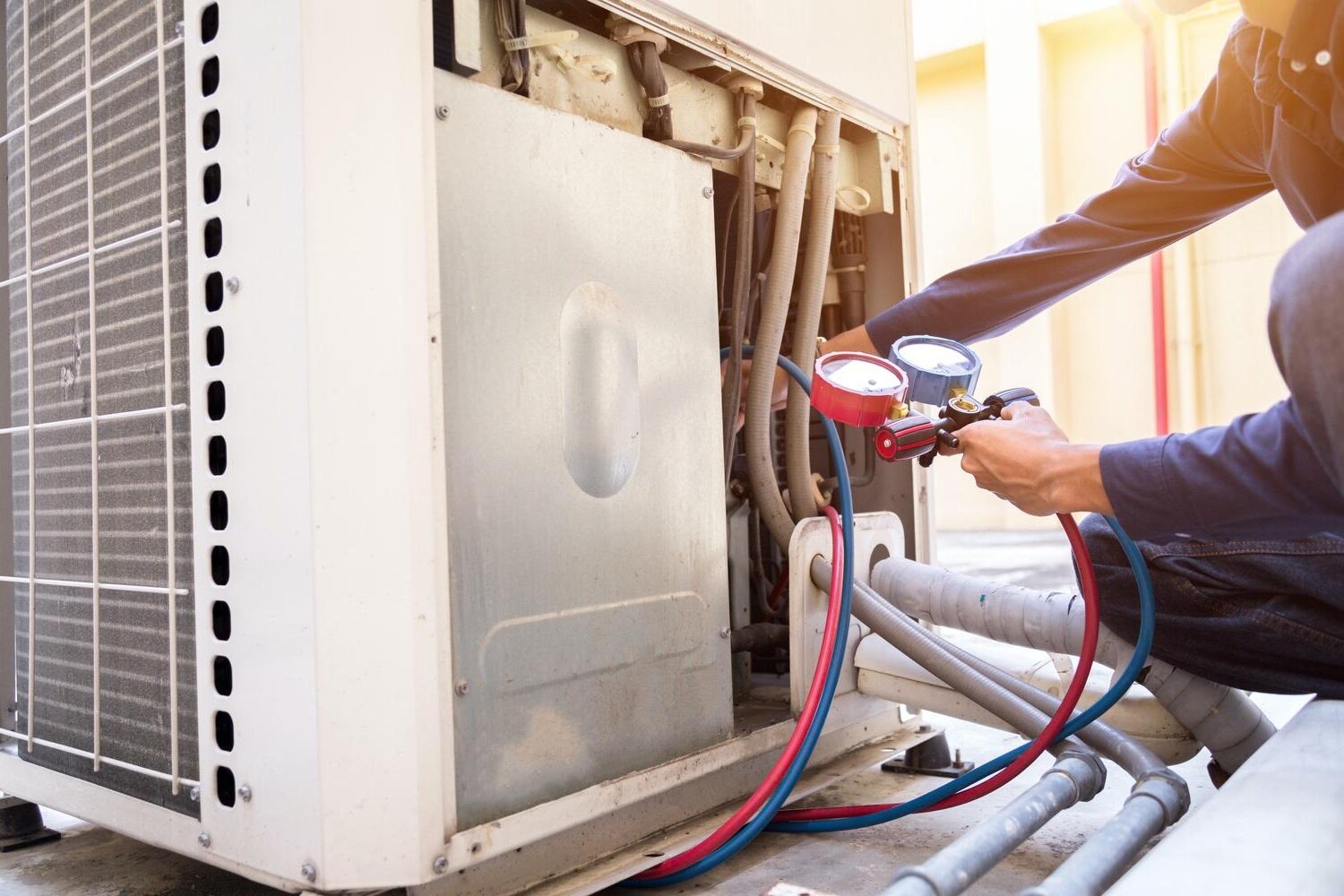
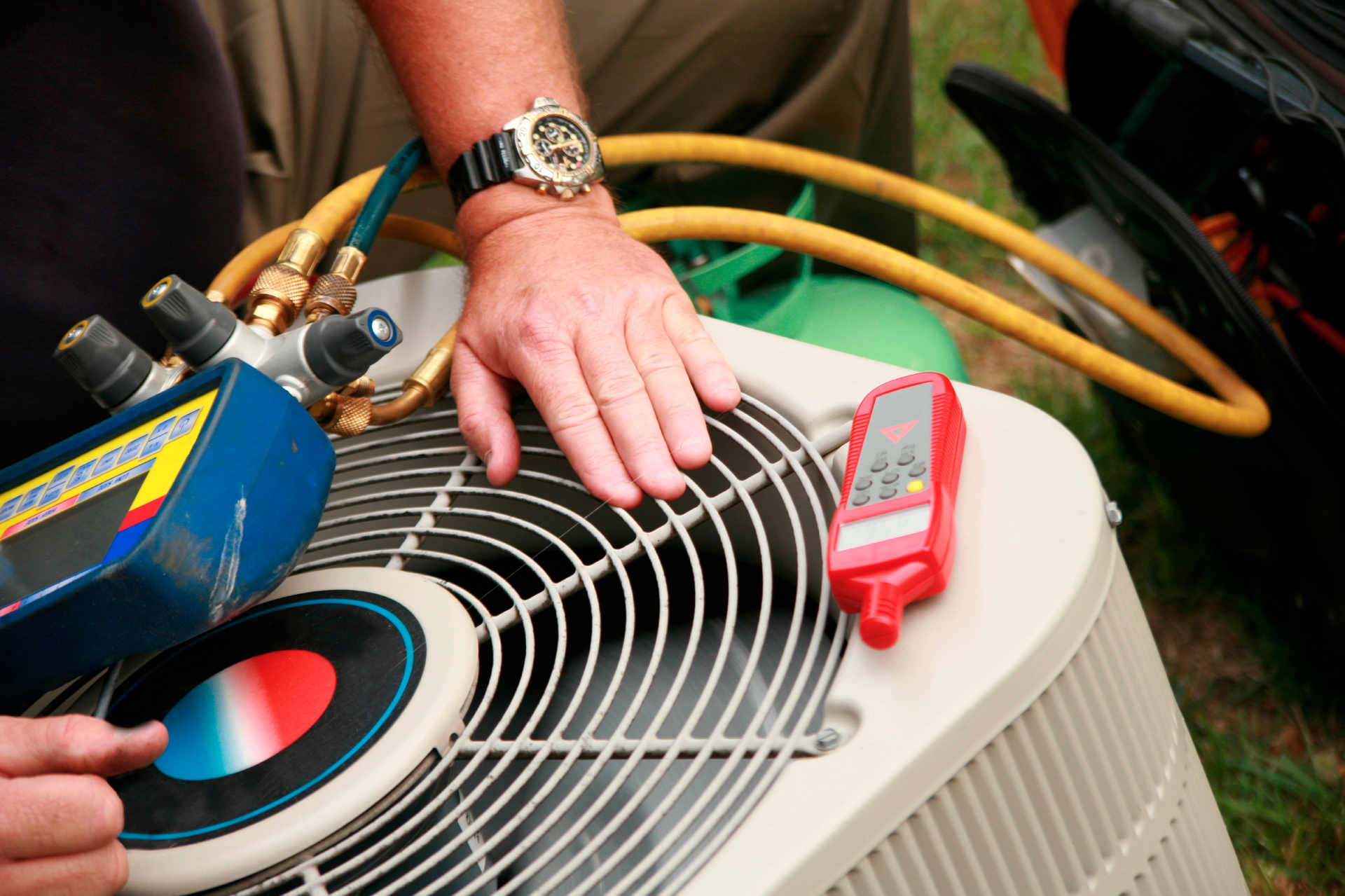
They will take pressures and temperatures across the system using manifold gauges and temperature probes. True refrigerant assessment depends on both pressure and corresponding temperature measurements. Good technicians calculate the saturation temperature and compare it to measured refrigerant pressures. That tells them whether the charge is low, overcharged, or within acceptable range.
They will search for leaks. Technicians use leak detectors, ultraviolet dye, or electronic sniffers to locate leaks. In many cases, a slow leak is repairable at a brazed joint or fitting. In other cases, the evaporator coil is the issue, and repair may require coil replacement or refrigerant reclamation.
They will follow EPA regulations for refrigerant handling. Federal rules require certified technicians to recover refrigerant and track quantities. If a system needs a refrigerant recharge, the contractor should use proper recovery equipment and provide documentation.
When refrigerant work becomes a bigger decision
There are times when adding refrigerant is a temporary measure and other times when it is money poorly spent. If a system has a slow leak and an accessible leak can be repaired for a modest amount, repair plus recharge is reasonable. If the evaporator coil or condenser coil is corroded and the system is older, repeated recharges will only delay the inevitable.
Consider age and efficiency. If your air conditioner is under 10 years old and otherwise healthy, a repair and recharge could restore efficient operation. If the unit is over 15 years old, has a failing compressor, or uses a refrigerant no longer produced or restricted, replacement and an AC installation in Tucson may be the better investment. Newer equipment often delivers 15 to 30 percent better seasonal efficiency compared with older models, which affects comfort and operating cost.
Think about warranty and part availability. Compressor failures sometimes come with significant repair expense. If the compressor is dying, but the unit is still under extended component warranty, the repair path is obvious. If compressors or coils are obsolete, replacement units can be expensive and installation may be the more practical choice.
When to call for emergency AC repair near me
If your home is dangerously hot, you have residents with heat-sensitive health risks, or the evaporator coil is frozen and troubleshooting is beyond your comfort level, call for emergency AC repair. Signs that warrant immediate professional intervention include persistent ice formation despite blocked filters being cleared, burning smells, tripping breakers tied to the HVAC circuit, and audible refrigerant hissing when the system is running.
Choosing the right HVAC repair partner in Tucson
Not every HVAC contractor is equal. Some price by the hour; others provide flat-rate diagnostics and repairs. A few local details worth weighing when you look for AC repair in Tucson.
- Certifications matter. Technicians with EPA Section 608 certification are required to handle refrigerants. NATE certification indicates technicians have passed competency exams covering diagnosis and repair. Reputation and responsiveness are critical in hot climates. Look for contractors with consistent reviews for timely emergency AC repair near me work and clear communication about costs. Transparency about diagnosis helps avoid surprises. The best contractors explain test results, show pressure and temperature readings if you ask, and outline repair versus replacement trade-offs. Local experience counts. Tucson-specific knowledge about how equipment ages under desert sun, dust, and hard use helps technicians anticipate wear points and recommend durable solutions.
I recommend calling at least two reputable contractors for major repairs and comparing written estimates. If you found evidence of a leak and the quoted repair is a simple brazed joint or a replaced fitting, that is one thing. If the cost approaches half the replacement price for a sensible new unit, consider an AC installation in Tucson instead.
Questions to ask the HVAC contractor when refrigerant is suspected
How will you diagnose the refrigerant issue, and what tests will you perform? If refrigerant is low, do you intend to add refrigerant only after finding and repairing the leak? What refrigerant type does my system use, and is it still readily available? Will you provide documentation of refrigerant recovery or recharge and the amounts handled? What warranty covers the repair work and any replaced components?These five questions help you separate technicians who rely on quick recharges from those who do methodical diagnosis. If a contractor suggests adding refrigerant without leak detection on a system over five years old, ask why. Sometimes a one-time top-up is appropriate after a documented repair, but it should not be routine.
Preventive steps that reduce refrigerant problems in Tucson
Prevention matters. Routine maintenance reduces the chance of refrigerant issues and catches small leaks before they require major repairs. Practical steps include scheduling annual HVAC service before peak cooling season, keeping outdoor units clear of brush and debris, and ensuring attic or crawlspace insulation and duct sealing to reduce system strain.
Filter discipline changes everything. In dusty Tucson neighborhoods, change filters every 1 to 3 months depending on load, pets, and indoor air quality concerns. Good filtration preserves coil efficiency and reduces the chance of icing that confuses diagnosis.
If you have a legacy system using older refrigerants, plan for eventual replacement. Systems using R-22 have faced rising cost and limited supply, while newer systems use more environmentally friendly refrigerants. Replacing an old unit before a catastrophic compressor failure often saves money and restores reliable cooling.
A short note about costs and timelines
Exact prices vary by equipment, leak location, and technician rates, but here are reasonable expectations based on typical Tucson scenarios. A diagnostic visit with basic testing often ranges from a modest service fee to somewhere higher if detailed leak detection is required. Repair of a small line fitting might cost in the low hundreds, whereas replacing a coil or compressor can be multiple thousands. If a system needs a recharge after a documented repair, refrigerant costs vary with type, but most common recharges for residential systems fall in the several hundred dollar range when done properly and legally.
Timing is another factor. A simple repair can often be completed within a few hours. Coil replacement or compressor change typically requires more time and sometimes an additional trip to evacuate and recharge the system properly. If you face urgent heat exposure, prioritize contractors who offer Emergency AC repair near me and ask about same-day availability.
Why a local name matters: Plunkett Home Services and neighborhood reliability
Choosing a local contractor with established Tucson experience matters when refrigerant work is involved. Plunkett Home Services, for example, operates in the region and understands local wear patterns, common leak points, and the regulatory expectations for refrigerant handling. Working with a company that offers both routine maintenance and AC installation in Tucson reduces the friction when you escalate from repair to replacement.
A persuasive final note
You can avoid wasted service calls, unnecessary recharges, and the stress of waiting through a hot afternoon if you do a short, focused inspection before you call for AC repair in Tucson. Take a look at filters, gauge your supply air temperature, check the outdoor unit, and document any oil stains or ice. When you do call an HVAC contractor, armed with observations and the right questions, you steer the service toward repair choices that protect your system and wallet.
If your AC is faltering and you want a technician who will diagnose refrigerant problems thoroughly instead of topping off the charge as a Band-Aid, look for technicians with EPA certification, local experience, and clear diagnostic procedures. A good HVAC company near me listens, tests, and explains the trade-offs between repair and replacement. In extreme heat or when health is at stake, prioritize emergency AC repair near me and ask for a technician who can arrive with the tools to test pressures, locate leaks, and provide a written plan.
When you need help, call a trusted local HVAC contractor, document what you observed, and be prepared to choose repair or replacement based on system age, efficiency, and long-term costs. That approach keeps your home comfortable, prevents avoidable compressor failures, and ensures you get the most value for every dollar spent on AC repair in Tucson.
Plunkett Home Services
3144 E Fort Lowell Rd, Tucson, AZ 85716, United States
+1 (520) 808-2743
[email protected]
https://callplunkett.com/